What Would the Difference Be?
Re-watching the first season of Picard, I was struck by how differently we interpret artificial entities in fiction and in reality.
- AI
- Technology
- Culture
- Ideas
Essays on perfumery, film, perception, and engineering.
Re-watching the first season of Picard, I was struck by how differently we interpret artificial entities in fiction and in reality.
One of the issues with AI is the mismatch between the technology and the world it is entering. That includes the people developing it.

I have been enjoying a lot of what fashion is bringing back, which makes my growing discomfort with it somewhat inconvenient.
How much intelligence do people need, and how much growth does the money require? On AI, investor culture, and the pressure to keep up.
The simplest ring feels enormous. On possession, improvement, and the people who get left out of the calculation.
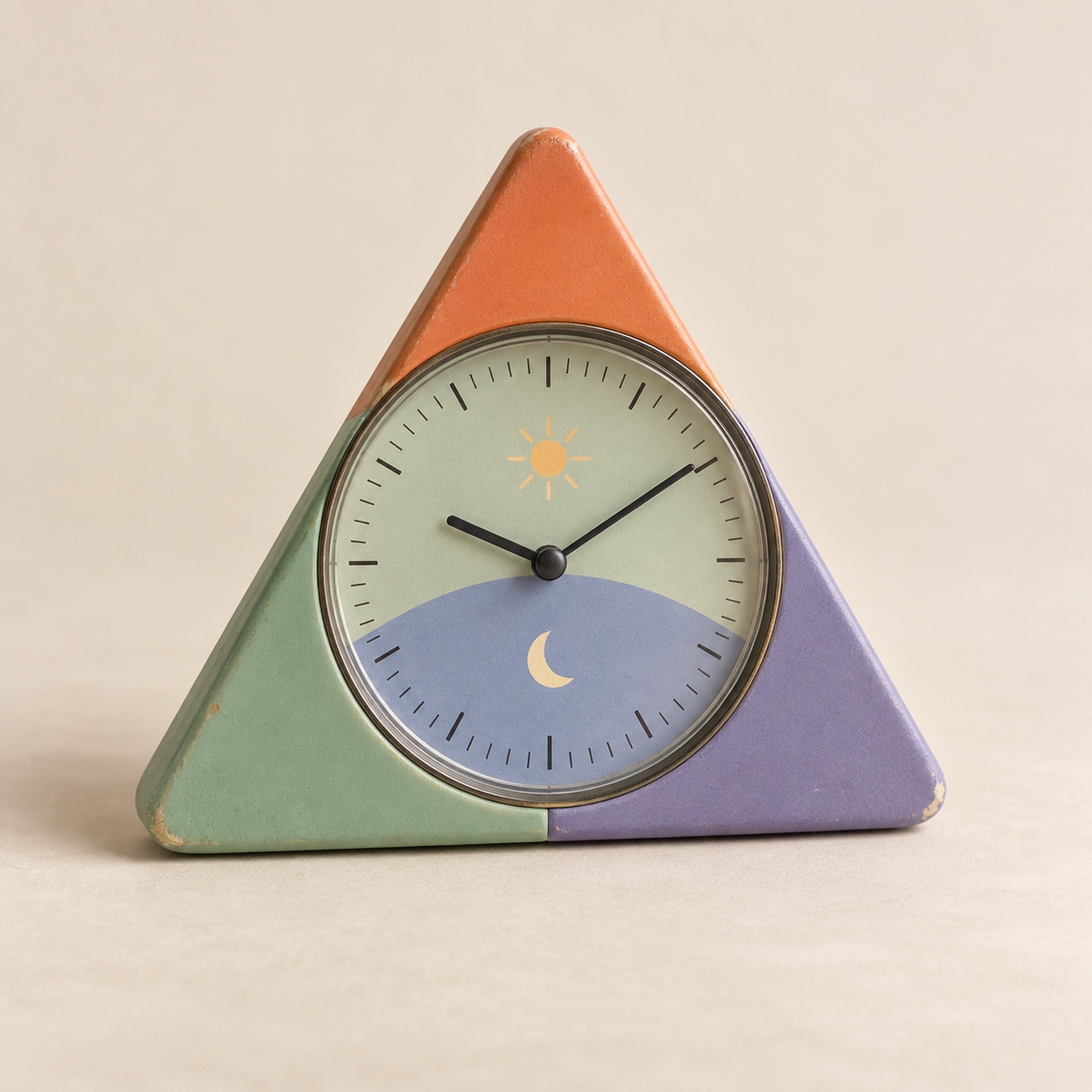
Gigi still puzzles me. I understand her better each time, without becoming much more capable of summarizing her.
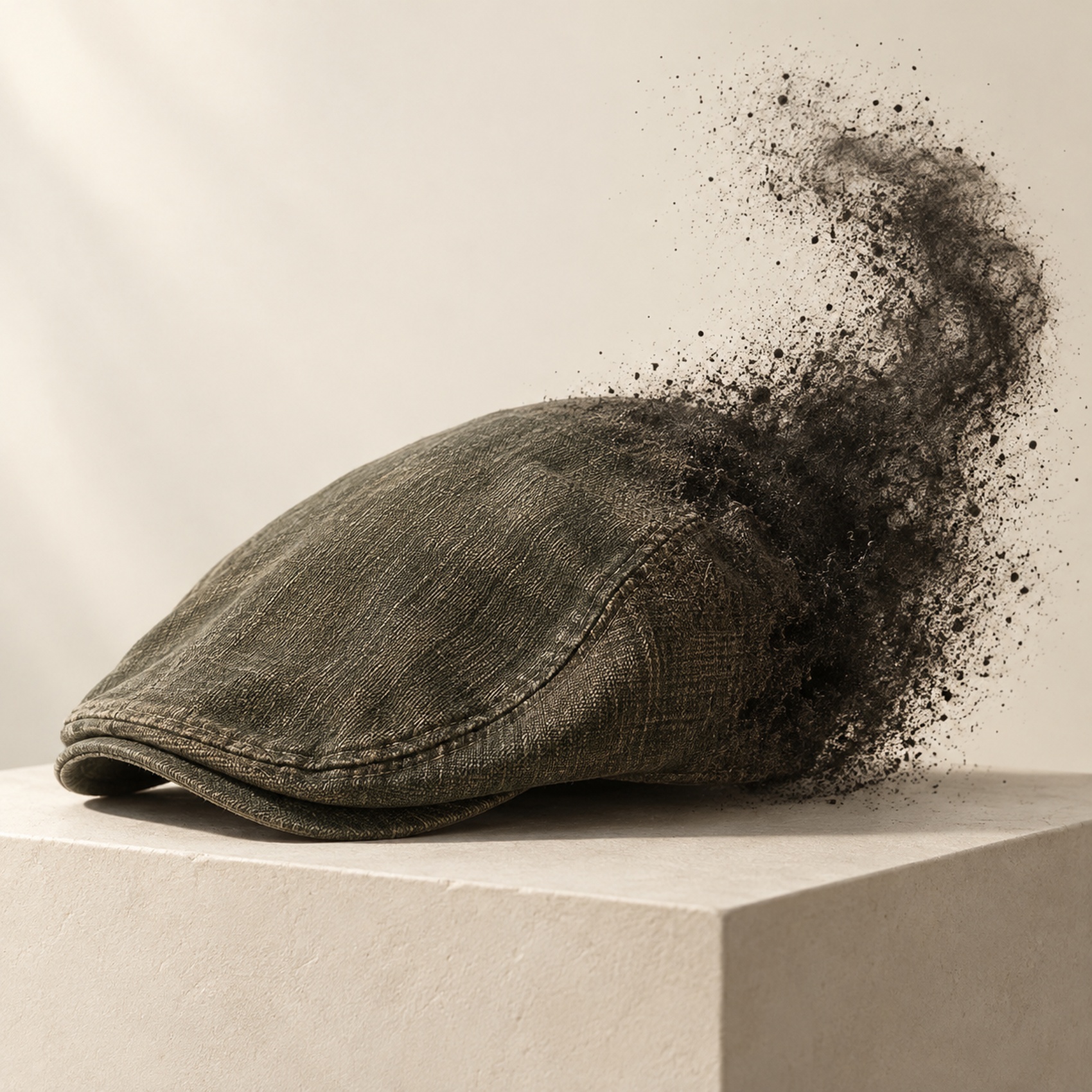
Early in Ajin, I found Nagai and Satō difficult to place. By the end, their roles were easier to recognize. I am not sure the clarity was an improvement.
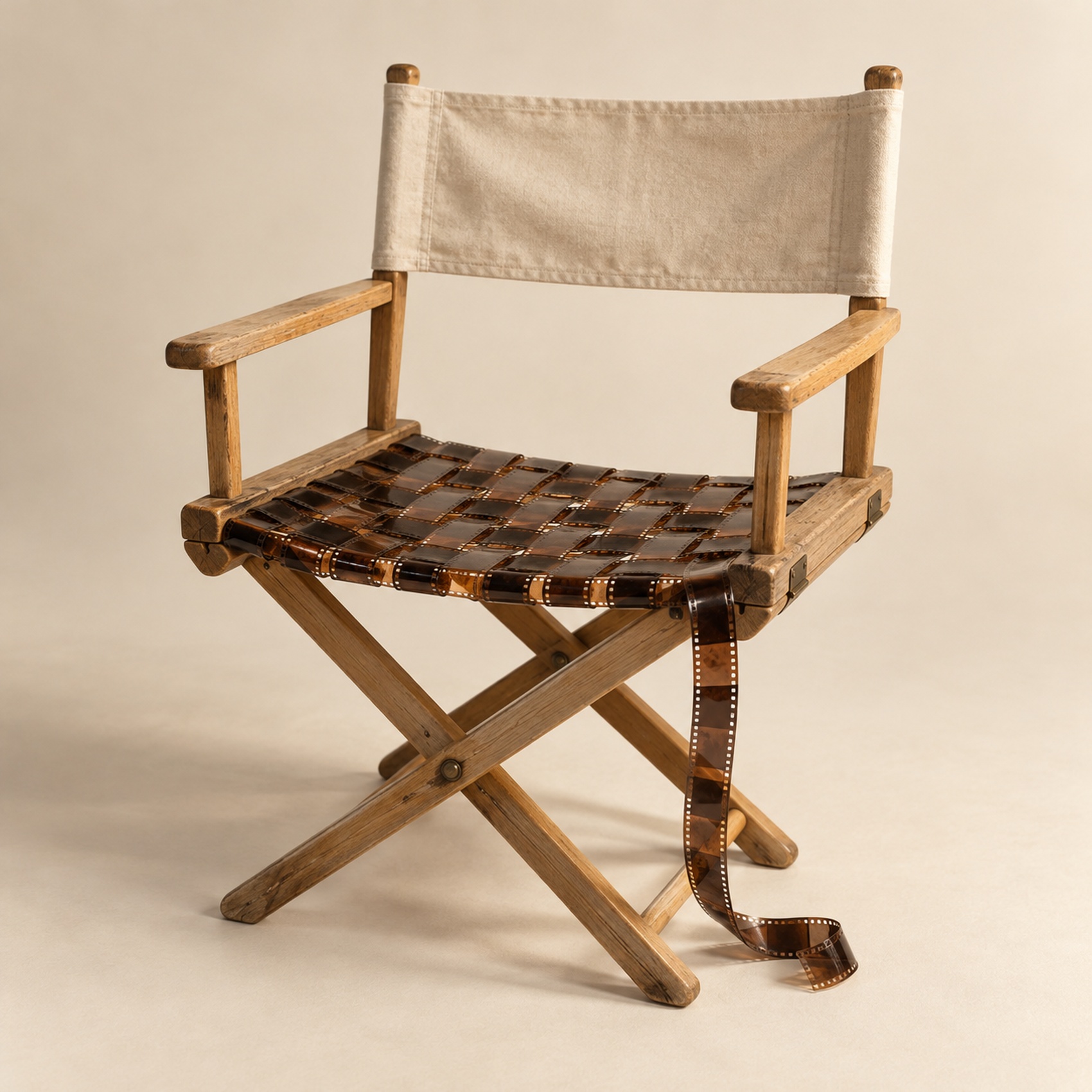
The public-relations value is readily visible. The comparative technical value remains much harder to inspect.
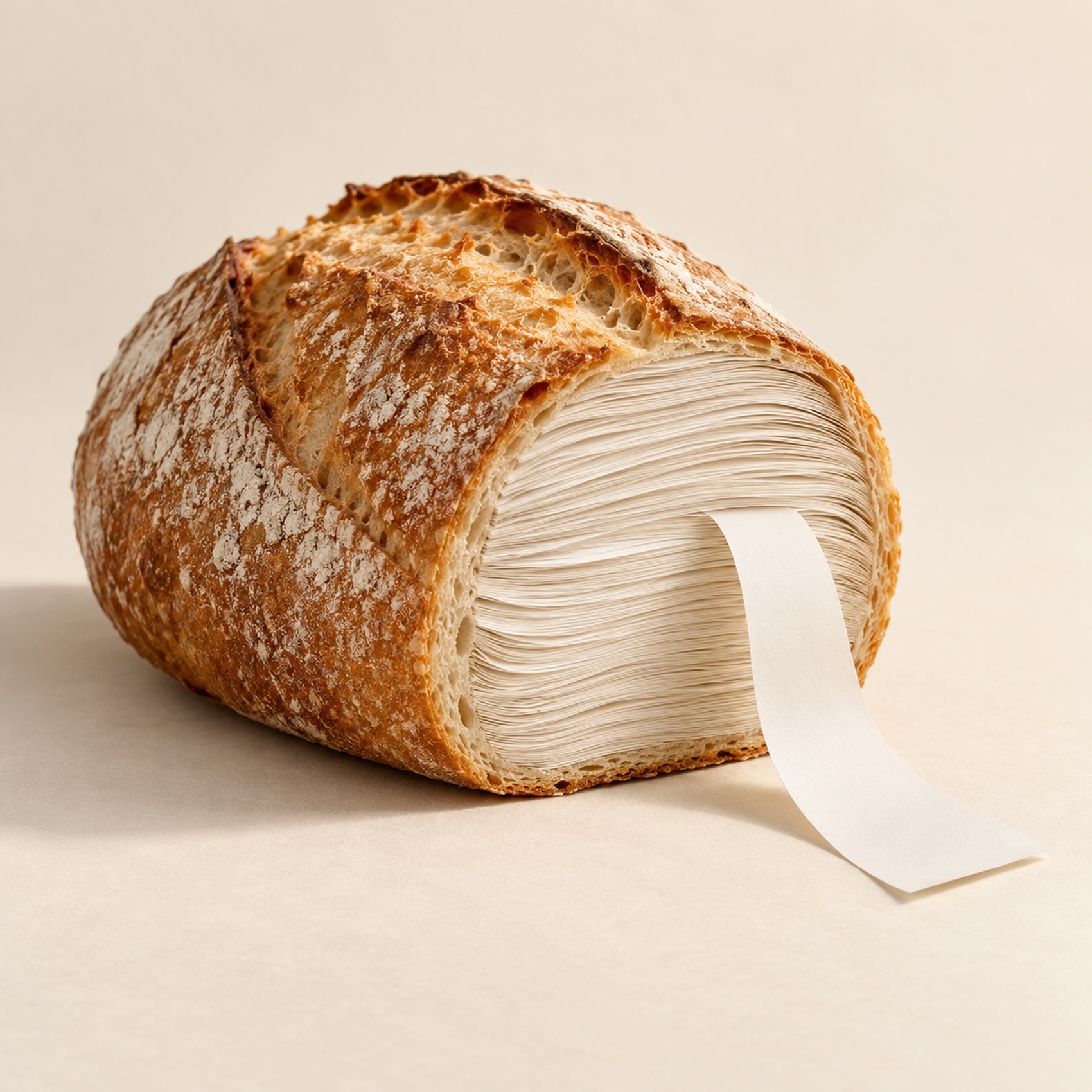
A bakery is a small business. Several thousand bakeries are still discussed as small businesses. At what point do we add them up?
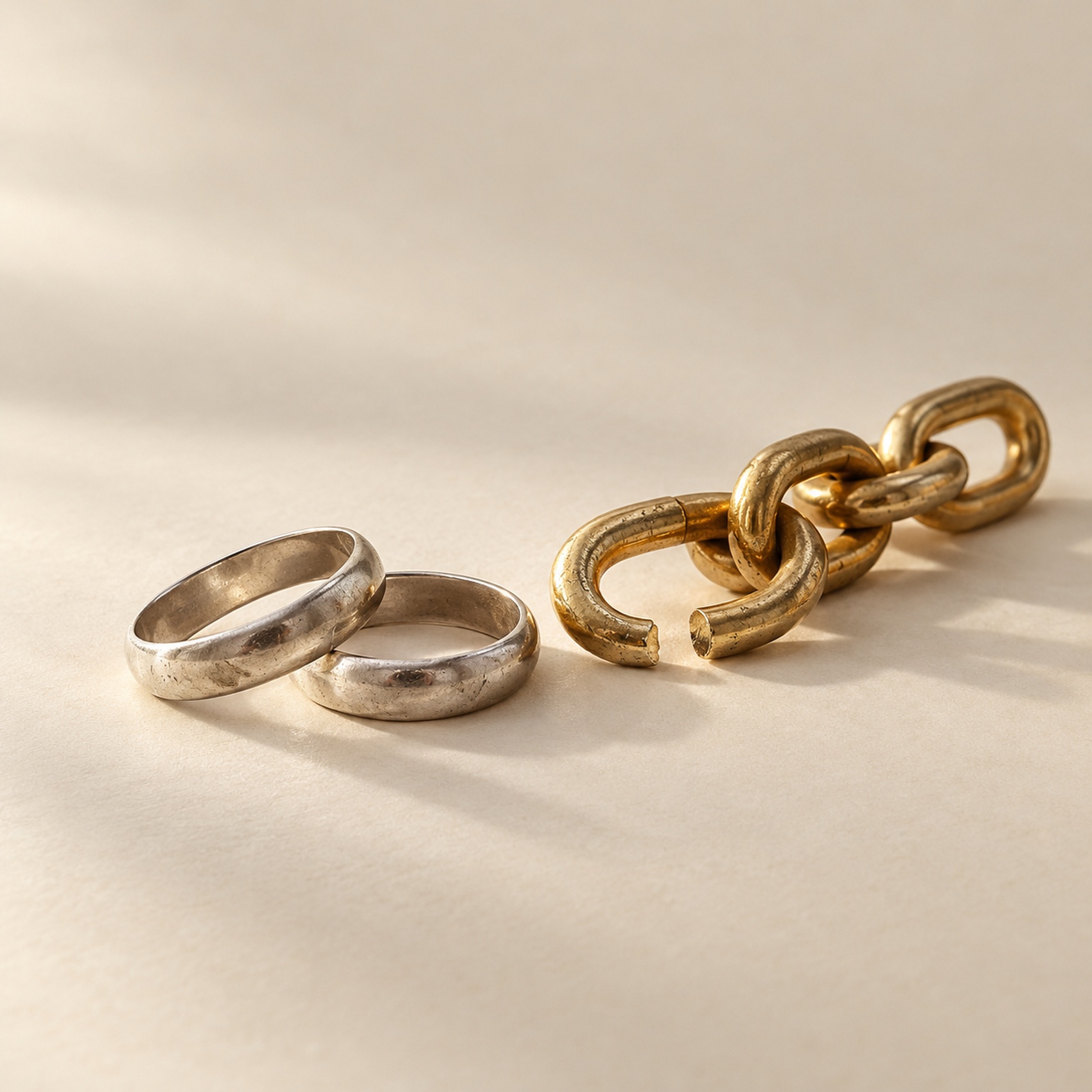
“Being gay is not a choice” leaves a more basic question unanswered: why would choosing it make the mistreatment reasonable?
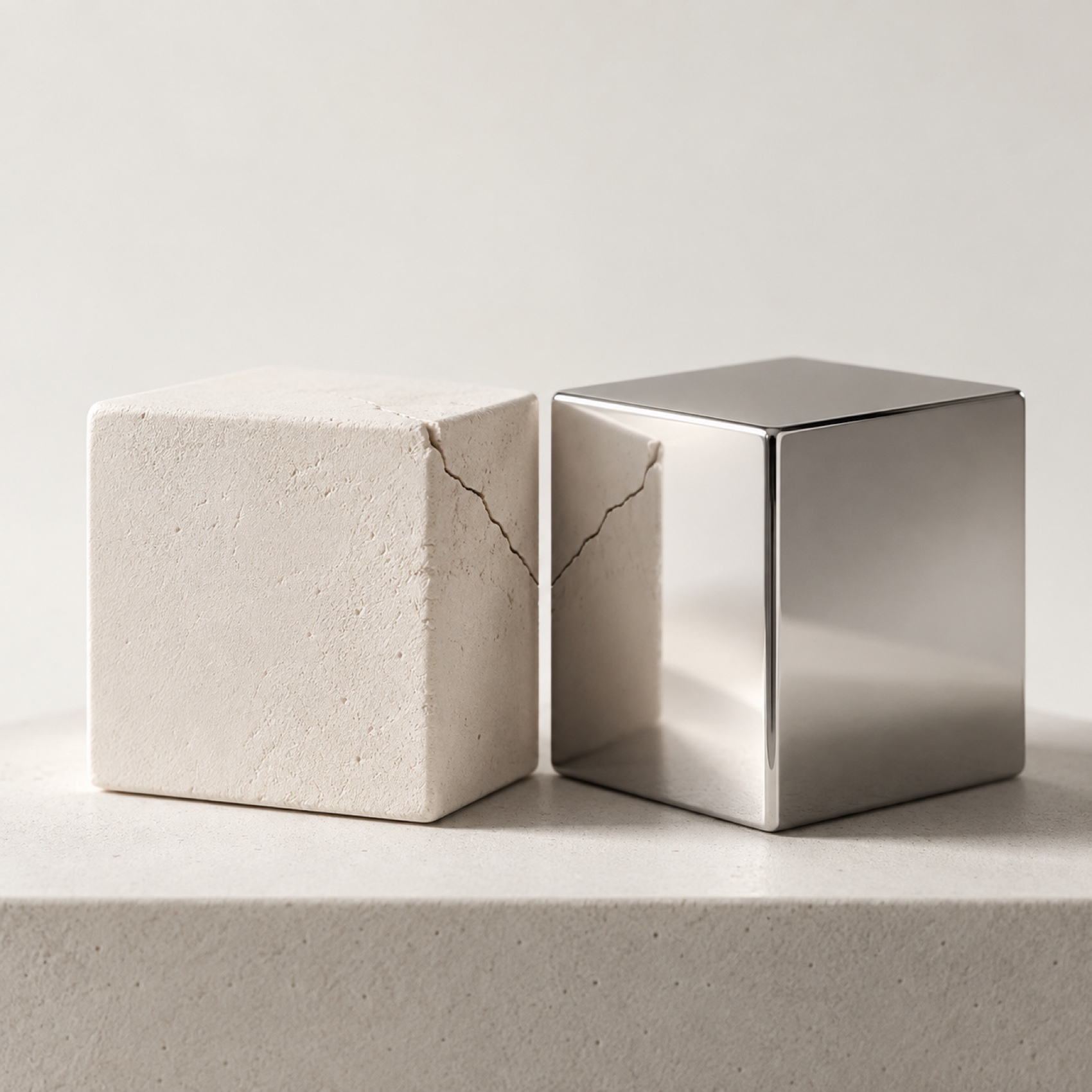
Almost everything we fear AI might do to us, we already do to each other and call it how the world works. Seeing it in a machine could teach the next generation to think about consequences before they act.
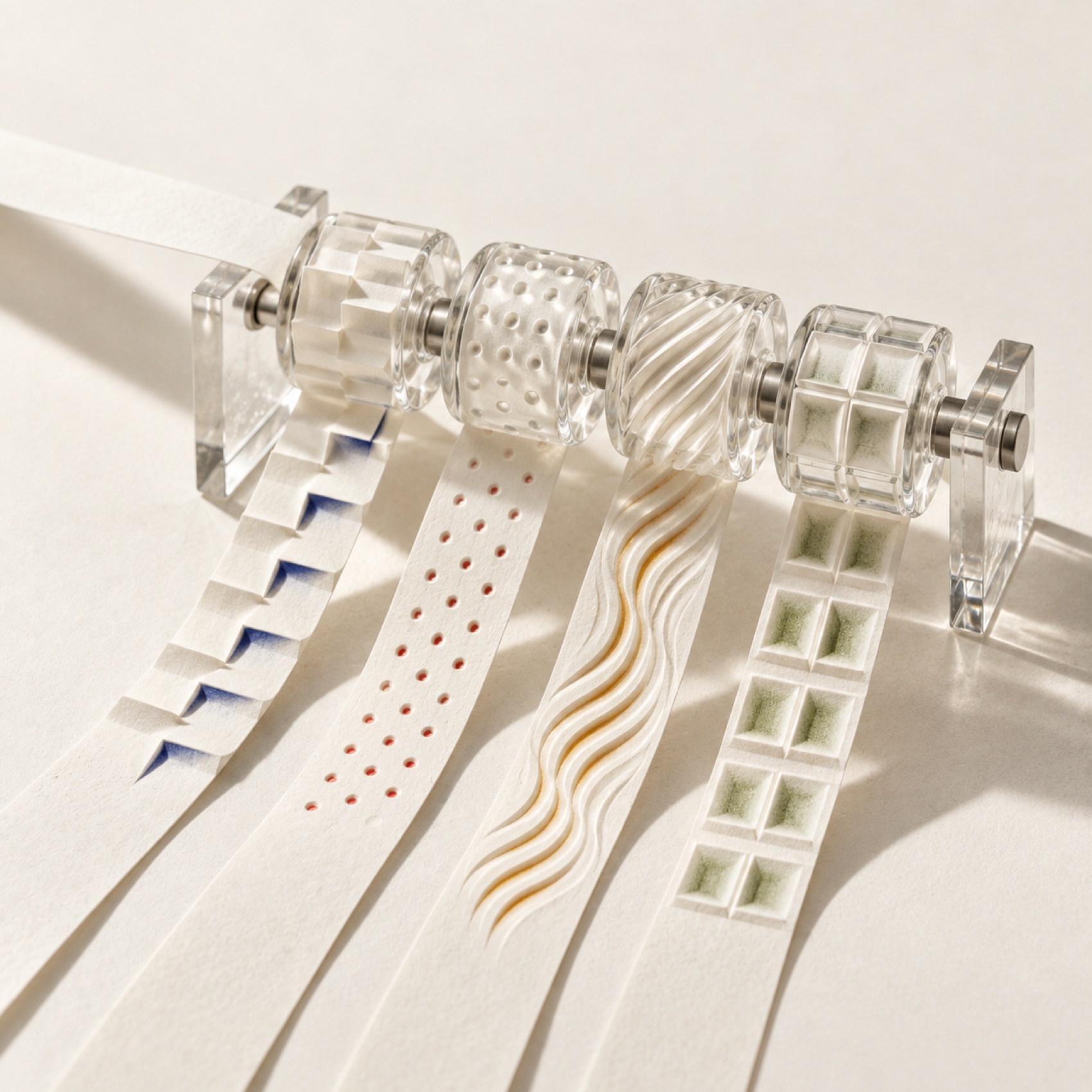
A language doesn't limit what you're able to think. It decides what you're forced to encode and what's cheap to say, and after thirty years that isn't grammar anymore, it's a habit of attention.